
How Often Does a Septic Tank Need Cleaning?
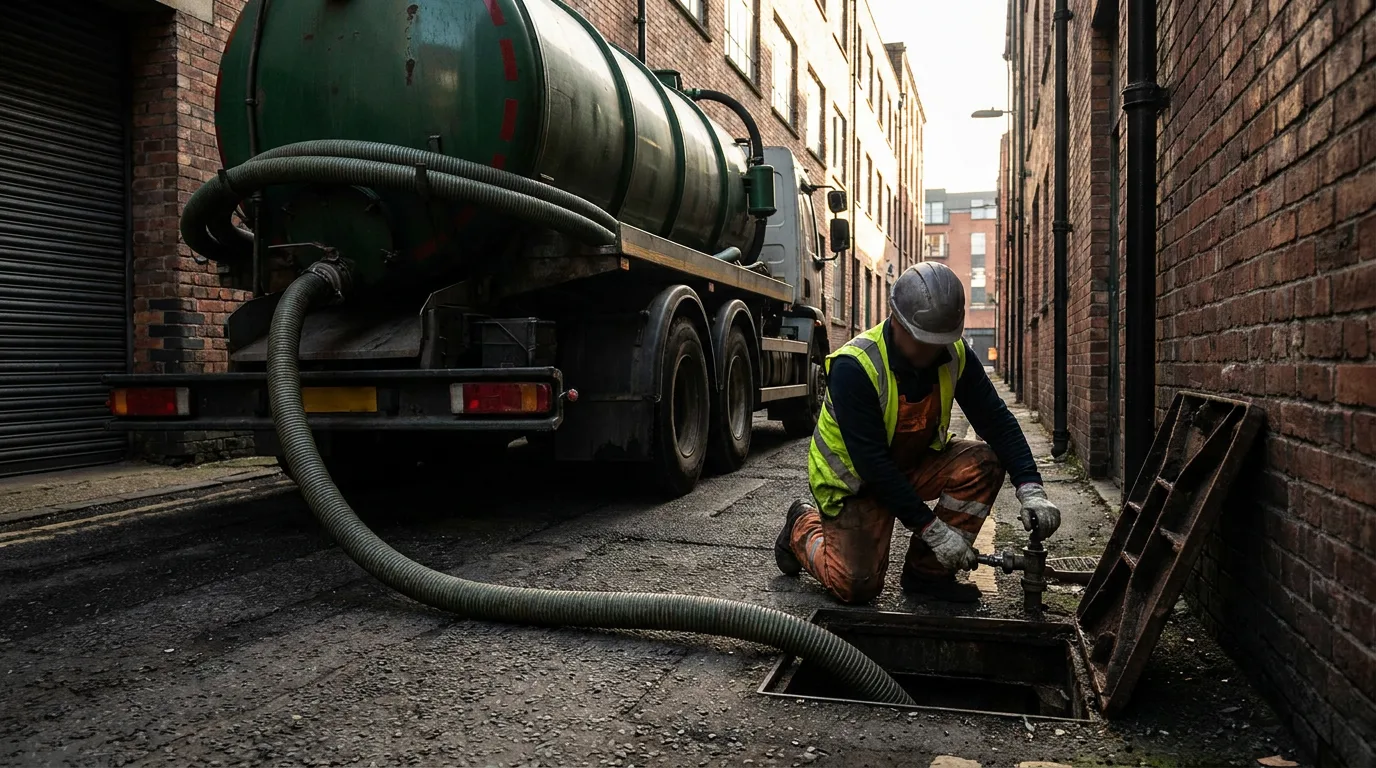
Three to five years is the standard interval for most homes, and tank size plus household size are what move that number up or down. A family of six fills a tank faster than a retired couple in the same house, and either way the septic tank pumping cost page breaks down what drives the number. If you added a bathroom, a dishwasher, or a couple of kids since the last pump-out, shorten the interval rather than guessing. This is the same logic behind septic tank pumping cost questions we get from Topeka homeowners: frequency drives cost more than anything else. Watch for slow drains, gurgling pipes, or standing water near the tank; those are covered in more detail on our septic tank warning signs page. If you are not sure when the tank was last serviced, that is reason enough to schedule a look, the same way a porta potty rental checklist helps a job site avoid guessing on sanitation needs. Waiting until there is a backup means an emergency septic service call instead of a routine one, and routine is always cheaper. We run this schedule for houses in Topeka and out toward Tecumseh, 7.7 miles east, where well and septic systems are still common on larger lots.
Why Does Septic Tank Cleaning Frequency Change So Much?
Tank size, number of people, and what goes down the drain all change the math. A smaller tank on a busy household needs septic pumping more often than a large tank serving two people, and our septic pumping service page covers what that visit includes. Garbage disposals add solids faster than a household without one, and that shortens the interval too. Commercial kitchens run on a completely different clock: a grease interceptor gets pumped once fats, oils, grease and solids reach 25 percent of the liquid depth, which can mean monthly service instead of yearly. That is a separate system from a home septic tank, and it is covered under grease trap pumping rather than this schedule, much like a construction site's sanitation needs are covered separately under construction site services. If your property sits outside city sewer service, in Wakarusa 12.0 miles south or Grantville 12.4 miles northeast, the septic tank is doing all the work a sewer line would otherwise do, so staying ahead of the interval matters more, not less.
What Happens If You Skip a Septic Tank Pumping?
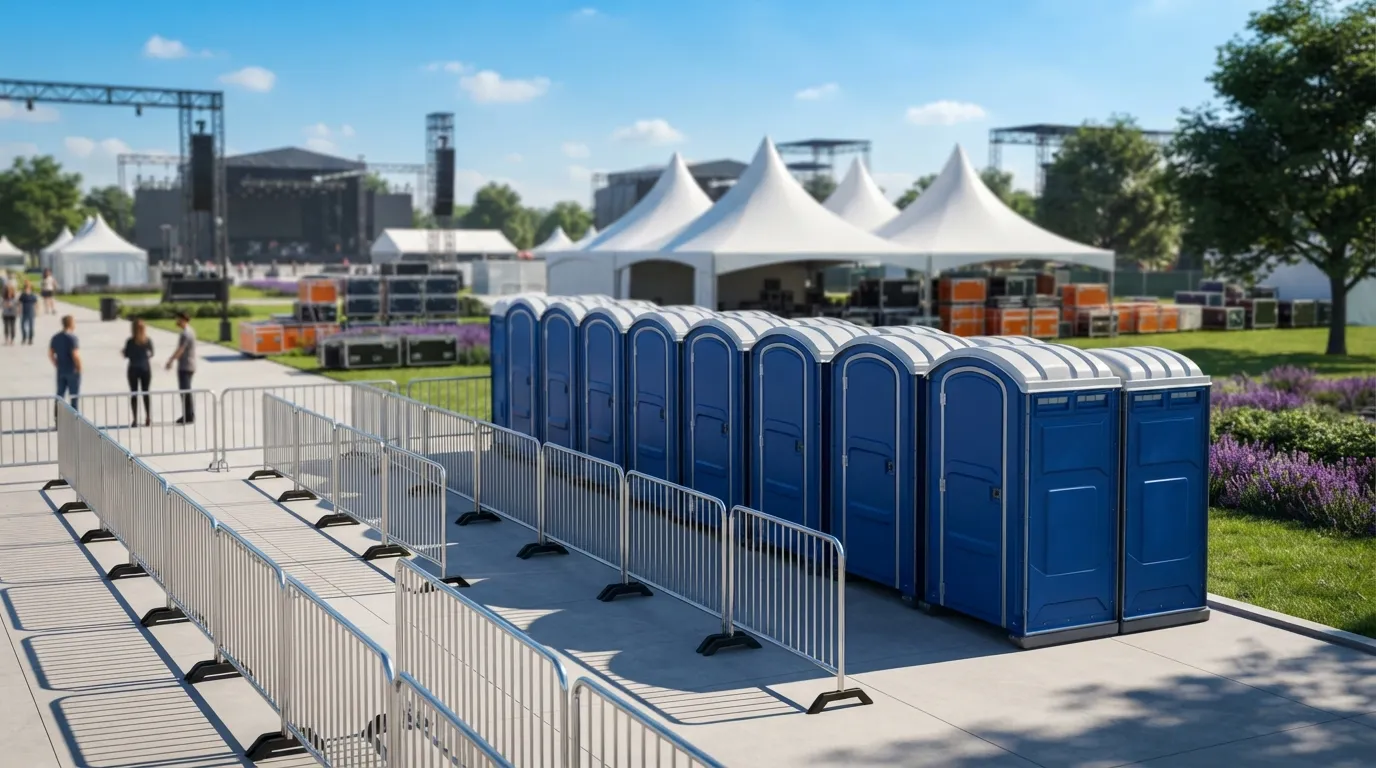
Solids build up, the outlet baffle clogs, and effluent backs into the drain field or the house itself. Once that happens, you are not looking at a routine cleaning anymore, and it is the same kind of situation that pushes a job site toward emergency porta potty rental instead of a planned delivery. You are looking at a failed drain field, which costs far more to fix than pumping ever does. A tank that has gone untouched for 8 to 10 years is a common cause of the emergency calls we take around Topeka. If your home relies on a tank instead of a holding tank rental setup, keeping the pumping schedule is the only maintenance that actually matters. Farms and larger rural properties near Silver Lake, 14.3 miles northwest, sometimes run bigger tanks that stretch the interval, but bigger does not mean permanent. Every tank has a limit, and the only way to know where yours stands is to check it rather than assume, the same way anyone asking how many porta potties do I need has to look at actual headcount instead of guessing.
Can You Check a Septic Tank Yourself Before Scheduling?
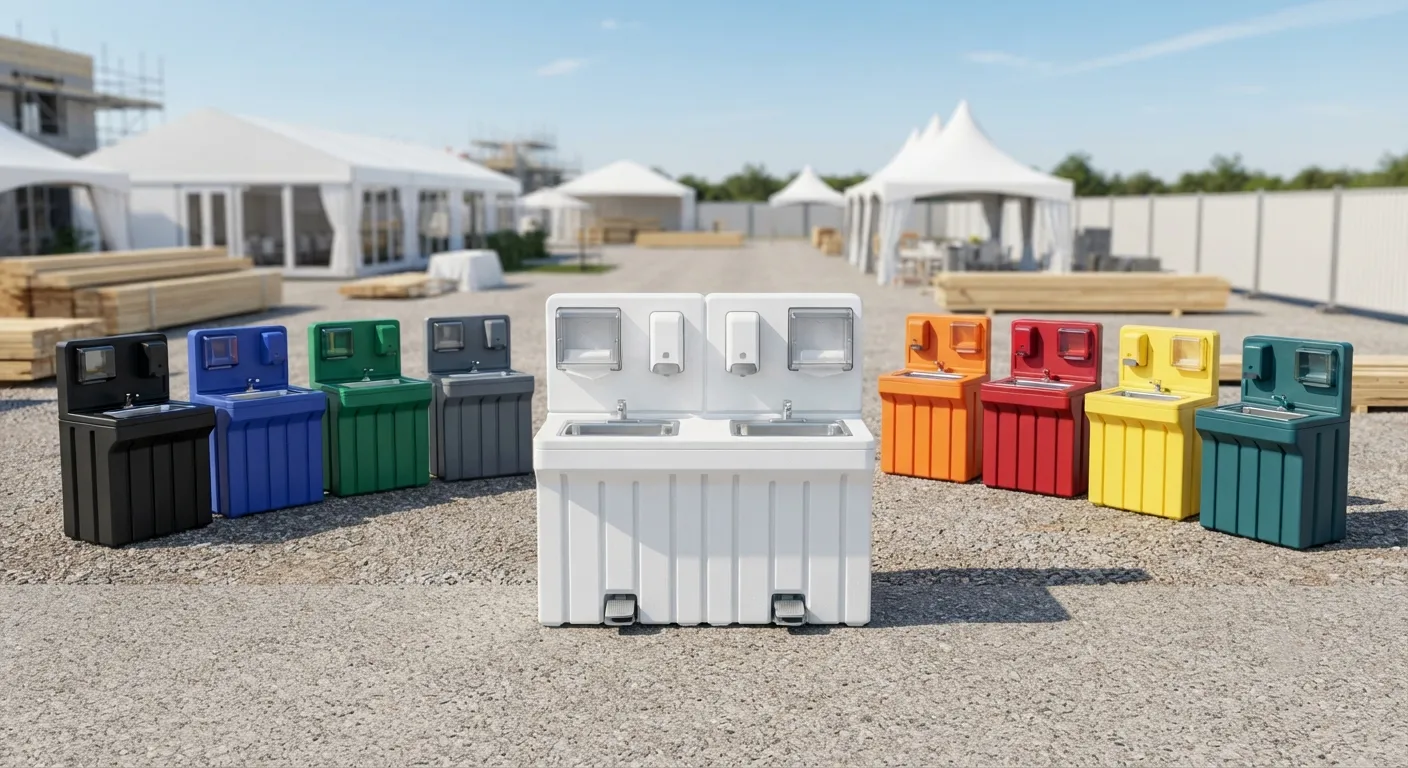
You can look for warning signs, but you cannot measure sludge depth without opening the tank, and that is not a DIY job. Slow drains, a soggy patch over the drain field, or sewage odor near the tank lid are signals worth acting on; they are the same signals listed on our septic tank warning signs page. If your property is a working farm rather than a house lot, sanitation needs are different again, and farm and agricultural restrooms or OSHA 1928.110 field sanitation rules for hand-labor employees may apply on top of your home septic system. For most Topeka homeowners, the answer is simpler: call for a pump-out on the 3 to 5 year interval, and do not wait for the yard to tell you first. Anyone weighing a septic repair against renting a portable restroom rental for the crew working on it can ask about both at the same time.
| service | typical timing | notes |
|---|---|---|
| residential septic tank | every 3 to 5 years | driven by tank size and household size |
| grease interceptor | when FOG hits 25% of liquid depth | commercial kitchens, not home tanks |
| holding tank | scheduled by usage, not years | no drain field, needs regular pump-outs |
Homeowners comparing options sometimes ask about a temporary holding tank rental during a septic repair, or a septic tank cleaning versus a full pump-out. Both are worth asking about when you call, along with options like a storage container rental if the repair crew needs to stage equipment or materials on site. If you are building or renovating and need sanitation on-site in the meantime, home renovation porta potty rentals cover that gap without putting extra load on a septic system that is already due for service.
How do I know if my septic tank needs pumping now?
Slow drains, gurgling toilets, sewage smell near the tank, or a wet patch over the drain field are the clearest signs. Do not wait for a full backup. If it has been more than 5 years since the last pump-out, schedule one regardless of symptoms.
Does household size really change the pumping schedule?
Yes. A larger household fills a tank faster because more water and waste go through it daily. A family of six may need service closer to the 3 year mark, while two people in the same size tank might stretch closer to 5.
What is the difference between septic pumping and septic cleaning?
Pumping removes liquid and settled solids from the tank. Cleaning can include scraping the tank walls and checking baffles and the outlet filter. Ask which service you are booking; see septic tank cleaning for what a full service includes.
Can a garbage disposal shorten my pumping interval?
Yes. Disposals add solids to the tank faster than a household without one, which fills the tank sooner. Homes with heavy disposal use often need pumping closer to every 3 years instead of 5.
Do rural Topeka properties need septic service more often than in-town homes?
Not automatically, but rural properties are often on well water with heavier household use and larger lots, and there is no city sewer backup if the tank fails, similar to how a property near Williamstown or Tecumseh has to plan its own sanitation instead of relying on city infrastructure. Staying on schedule matters more when there is no alternative system to fall back on.
Next step
Get a delivery date
Tell us the address, the dates and the headcount. We size the order and confirm the route.