
What Is a Standard Porta Potty?
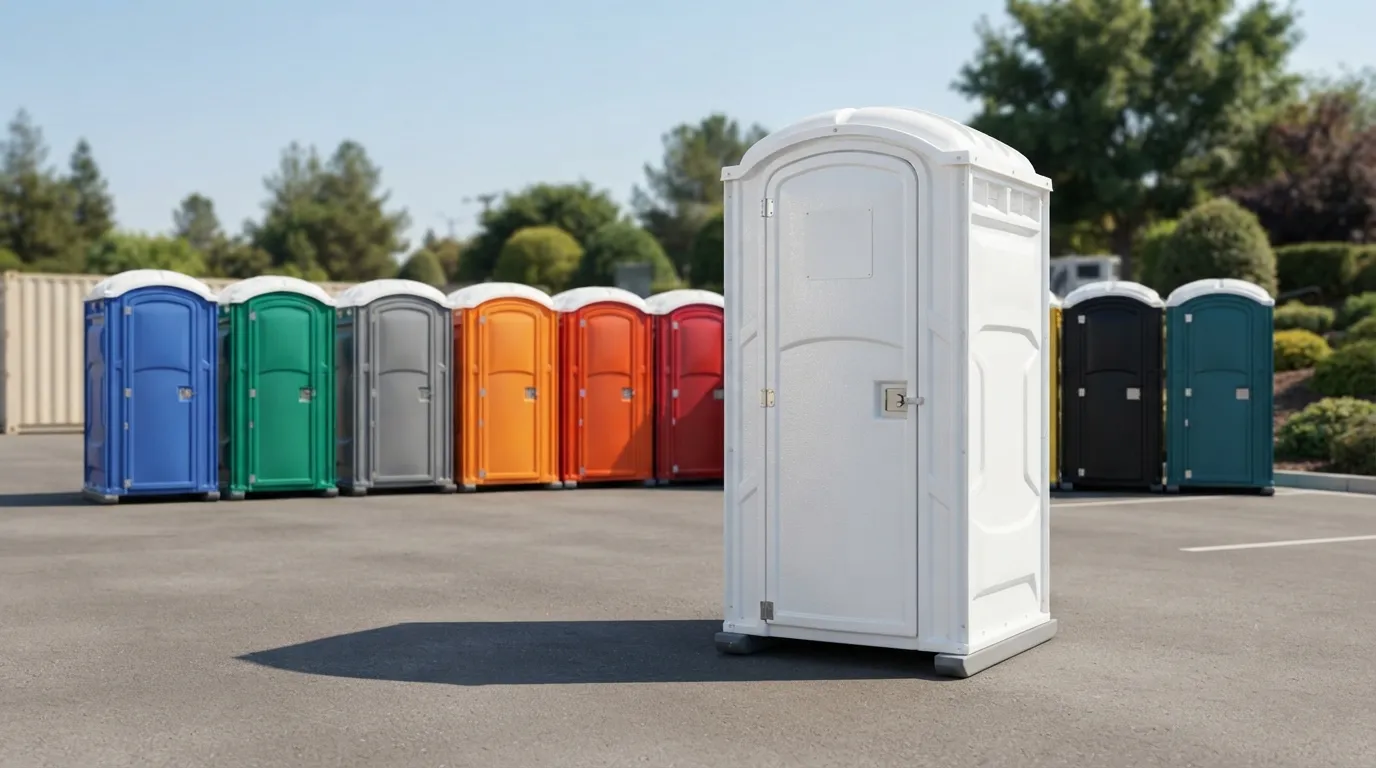
A standard unit is the basic single-stall toilet you see on every job site in Topeka, and it's the cheapest way to cover a crew or a backyard project, and a basic porta potty rental cost stays predictable because the unit itself never changes. Standard porta potty dimensions come in at about 44 by 48 inches on the ground and roughly 92 inches tall, so the standard porta potty size fits into a driveway corner or a fenced lot without eating up much space. Inside, it holds a 60 to 70 gallon tank, enough for a handful of users across a standard service interval. ANSI/PSAI Z4.3, the portable sanitation industry standard, sets a baseline of one service visit per week for up to 10 users over a 40 hour work week, which is why crews on longer jobs schedule regular pump-outs rather than waiting until a unit fills. If you're comparing it against the flushable option, see the deluxe flushable porta potty page, or check the ADA accessible porta potty if you need a unit that meets ADA Standards section 213.2 for clustered installations. Topeka Porta Pros delivers these units across the city and into places like Tecumseh, 7.7 miles east.
How Much Does a Standard Porta Potty Rental Cost?
Standard porta potty rental price depends on duration and how many units you need, and the table below breaks down the bands we actually see.
| Duration | Low | Typical | High |
|---|---|---|---|
| Day | $100 | $150 | $350 |
| Week | $130 | $200 | $500 |
| Month | $125 | $200 | $325 |
| Weekend | $125 | $250 | $400 |
| Event | $200 | $400 | $800 |
Delivery is usually billed separately, and that fee runs $50 to $150 for a weekly rental or $100 to $500 for a single day, depending on distance and access. If you're weighing a short job against a longer one, the porta potty rental cost page walks through what drives the difference, and the porta potty rental per day page covers single-day pricing in more depth. For anything running past a month, the monthly porta potty rental page has the specifics. Homeowners doing a renovation often only need one unit for a few weeks; see home renovation porta potty for that scenario.
How Many Standard Units Does a Job Site Need?
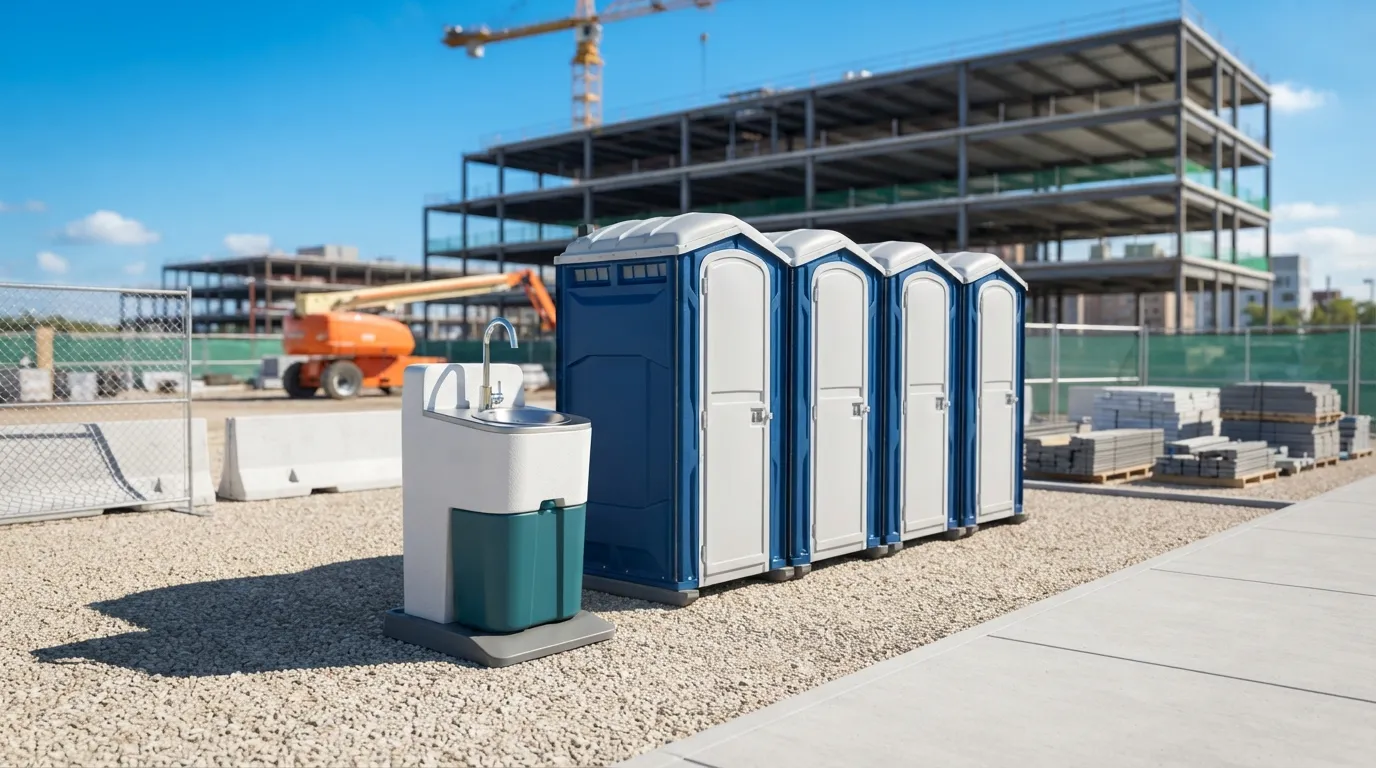
OSHA 1926.51(c)(1) sets the baseline for construction sites: one toilet facility for 20 workers or fewer, then one toilet seat and one urinal per 40 workers as the crew grows past that, dropping to one per 50 once you hit 200 workers or more. That's the number city contractors plan around, and it's worth checking against your actual headcount before ordering. The how many porta potties do I need guide runs the math for different site sizes, and OSHA portable toilet requirements covers the full standard if your project also involves painting, coating or pesticide work, which triggers separate washing rules under OSHA 1926.51(f)(1). Farms and agricultural operations in the Topeka area fall under a different rule entirely, OSHA 1928.110, which calls for field sanitation facilities within a quarter mile walk of hand-labor employees; see farm and agricultural restrooms for that. Construction crews working larger sites often pair toilets with a dumpster; the construction dumpster rental page and roll-off dumpster rental page cover that side of the job.
Where Can I Place a Standard Porta Potty in Topeka?
Placement matters more than people expect, and it's not just about convenience. Units need stable, firm, slip-resistant ground per ADA Standards section 302.1, and if you're renting an ADA-compliant unit alongside standard ones, the accessible route needs a minimum clear width of 36 inches under ADA Standards section 403.5.1. If you're placing units in the public right of way in Topeka, that needs confirming with the city before delivery, since we don't publish permit rules that vary by jurisdiction here. The porta potty permit requirements page and porta potty placement guide both go into more detail on where units can and can't sit. Delivery trucks generally need clear access to the drop site, and if you're also renting a roll-off container, plan on roughly 60 feet of straight clearance behind the truck for that delivery. Events in nearby towns like Silver Lake, 14.3 miles northwest, or Grantville, 12.4 miles northeast, follow the same placement logic, just with different drive times factored into the delivery fee.
What's the difference between a standard and a deluxe porta potty?
A standard unit is a basic single-stall toilet with a 60 to 70 gallon tank and no water hookup. A deluxe flushable unit adds a flush mechanism and sink, and it costs more per day, generally $85 to $1,200 depending on features. See deluxe flushable porta potty for specifics on what's included.
How long can I rent a standard porta potty?
As long as you need it. Rentals run from a single weekend event up through month-to-month contracts on ongoing construction jobs in Topeka. Longer terms usually bring the per-day cost down, which is why the monthly rate sits below what you'd pay renting day by day across the same stretch.
Do standard porta potties get cleaned during a long rental?
Yes. ANSI/PSAI Z4.3 sets a baseline of one service visit per week for up to 10 users over a 40 hour week, and most job site rentals in Topeka follow that schedule. Heavier-use events may need more frequent service; ask when you book.
Can I rent just one standard porta potty for a weekend?
Yes, and that's one of the most common requests we get. A single unit for a weekend runs within the standard weekend band, and delivery is usually a flat fee on top. Check porta potty rental near me for local delivery specifics.
What size is a standard porta potty?
A standard unit measures about 44 by 48 inches on the ground and stands approximately 92 inches tall. That footprint fits most driveways, job site corners and fenced areas without needing extra clearance, though delivery trucks need room to maneuver on approach.
Next step
Get a delivery date
Tell us the address, the dates and the headcount. We size the order and confirm the route.