
Where should a porta potty go on a job site?
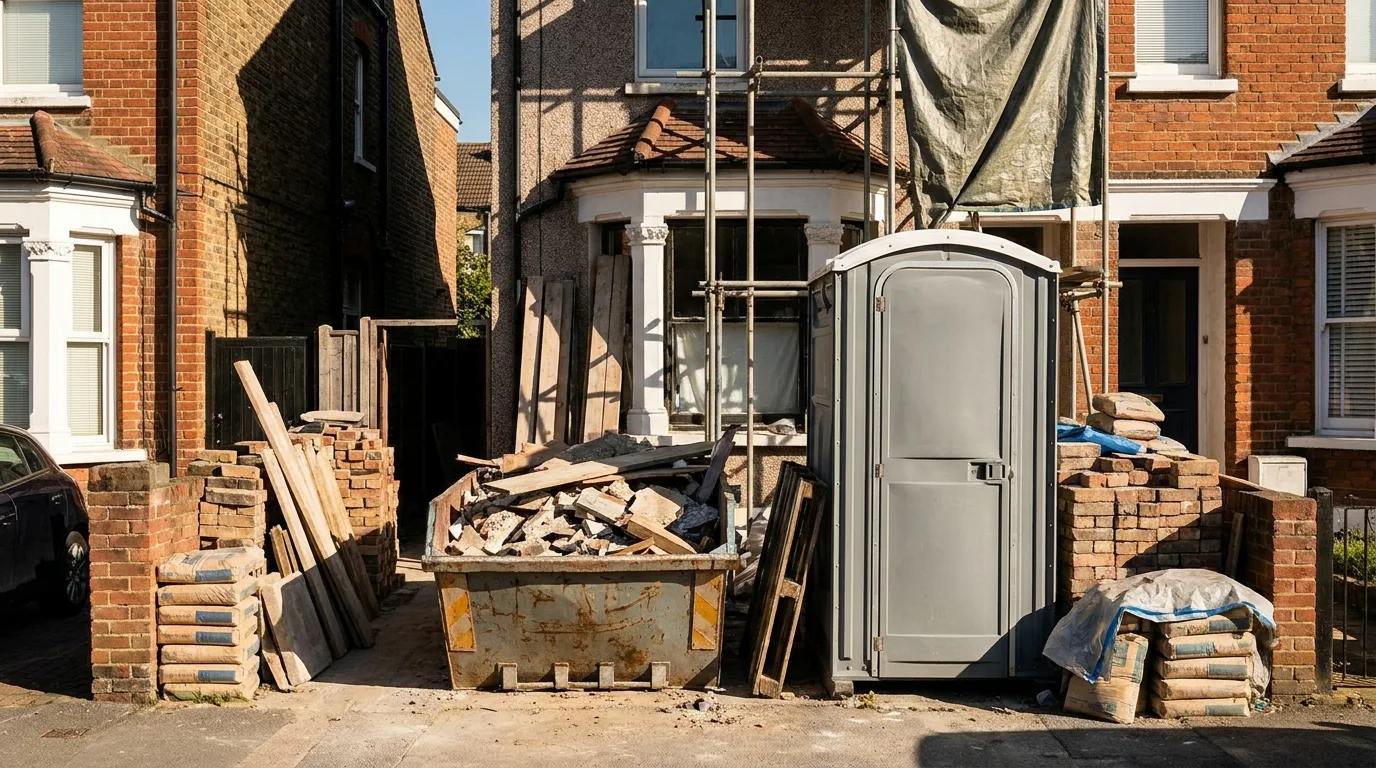
Pick level ground first. A standard unit runs about 44 by 48 inches on the ground and stands roughly 92 inches tall, so it needs a footprint clear of overhead branches or wires and a base that will not sink after rain. Topeka clay holds water, and a unit set in a low spot will lean by week two. Keep it within reach of the crew but off the main path so construction site services crews and deliveries are not routing around it all day. If you are placing more than one, review how many porta potties do i need before you commit to a layout. For events, the same logic applies but foot traffic patterns change; see the event restroom rental guide for crowd flow. Service access matters as much as visibility. The pump truck needs a straight shot, and if you are also running a roll-off dumpster rental on the same site, remember a roll-off delivery needs about 60 feet of straight clearance behind the truck. Plan both footprints together instead of squeezing one in after the other.
Do I need a permit for placement in Topeka?
Placement in the public right of way, on a sidewalk strip or street shoulder, needs confirming with the city before you set anything down. We have not verified a specific Topeka ordinance number for portable toilet or dumpster placement permits, so do not assume a fee or a rule from another city applies here. If your project also involves a dumpster placement permit, check with the city on cost and process at the same time you confirm toilet placement, since both often route through the same office. Our porta potty permit requirements page and dumpster permit requirements page walk through what to ask. On private property, set back from the property line and keep the unit off any drainage easement. If the job sits near Tecumseh, 7.7 miles east of Topeka, or out toward Wakarusa, 12.0 miles south, county rules may differ from city rules, so confirm which jurisdiction the site falls under before delivery day.
How much clearance does a unit need for servicing?
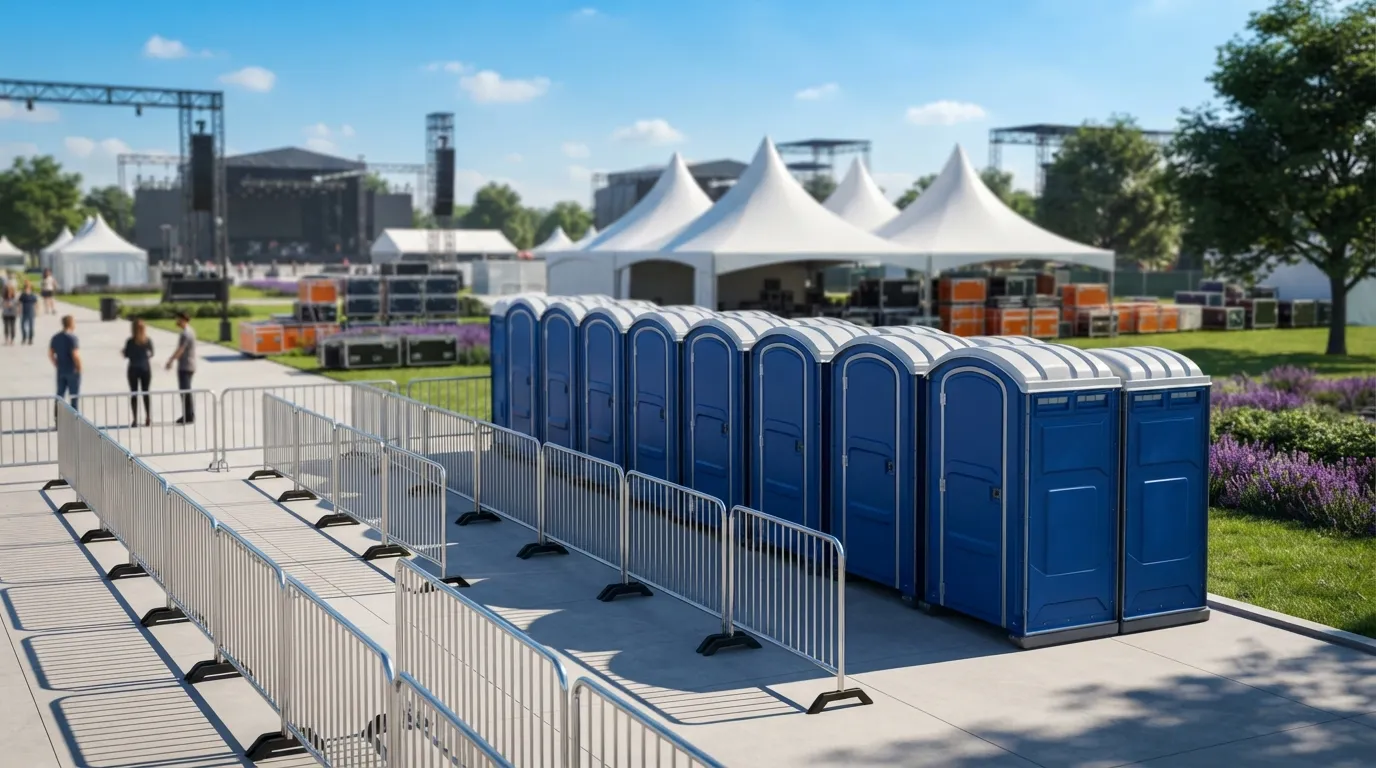
Give the truck a straight approach and about 10 feet of side clearance so the technician can extend the hose without dragging it across gravel or landscaping. ANSI/PSAI Z4.3 sets a baseline service interval of once a week for up to 10 users over a 40 hour week, so plan the route back to that spot every week, not just for the initial drop. If the unit sits behind a fence line, check the gate width; a temporary fence rental or chain link temporary fence panel that is too narrow will force the crew to reroute the hose around a corner. ADA units need a 60 inch turning circle per ADA Standards 304.3.1 and a clear route at least 36 inches wide under ADA Standards 403.5.1, so do not tuck the accessible unit behind stacked material even if it saves space elsewhere. For multi-unit sites, the ADA accessible porta potty page covers spacing in more depth, and the porta potty rental checklist is worth running through before delivery.
What surface does a unit need to sit on?
Concrete, asphalt or packed gravel work best. ADA Standards 302.1 calls for a stable, firm, slip resistant surface, and that standard is a good baseline even for a standard unit that does not need to be accessible. Avoid soft turf after rain; Topeka's spring thaw turns a lot of ground soft enough that a unit can sink or tip. If the only available spot is soft ground, ask about placement boards or plan a firmer secondary location. This matters more for a restroom trailer rental or a luxury restroom trailer, which weigh more and need a level pad to keep doors and plumbing from binding, similar to how a mobile office trailer needs level ground so replacement doors hang straight instead of dragging on a sunken frame.
| unit type | placement footprint | typical clearance needed |
|---|---|---|
| standard | 44 x 48 inches | 3 feet front, 10 feet for service truck |
| ADA | wider pad for 60 inch turning circle | 36 inch clear route in |
| trailer | varies by stall count | level pad, truck access for delivery |
How far from the work area should it be placed?
Close enough to cut down walking time, far enough to stay out of the main traffic lane. On most sites that means within 100 to 200 feet of the crew. For agricultural work, field sanitation rules under OSHA 1928.110 call for facilities within a quarter mile walk of hand-labor employees, which gives more flexibility on farm sites; see farm and agricultural restrooms for specifics.
Can I place a unit on a septic-served property?
Yes, but keep it clear of the septic field and tank access lid. A residential tank is typically pumped every 3 to 5 years, and a unit parked over the lid blocks that access. If pumping is overdue, check how often to pump a septic tank or schedule through septic pumping service.
Does placement affect how often the unit gets serviced?
Not the schedule itself, but hard-to-reach placement slows the technician down. A spot with no truck clearance can turn a routine stop into a longer one. See how often are porta potties cleaned for the standard interval.
What if my parts sink or my sink freezes at the unit?
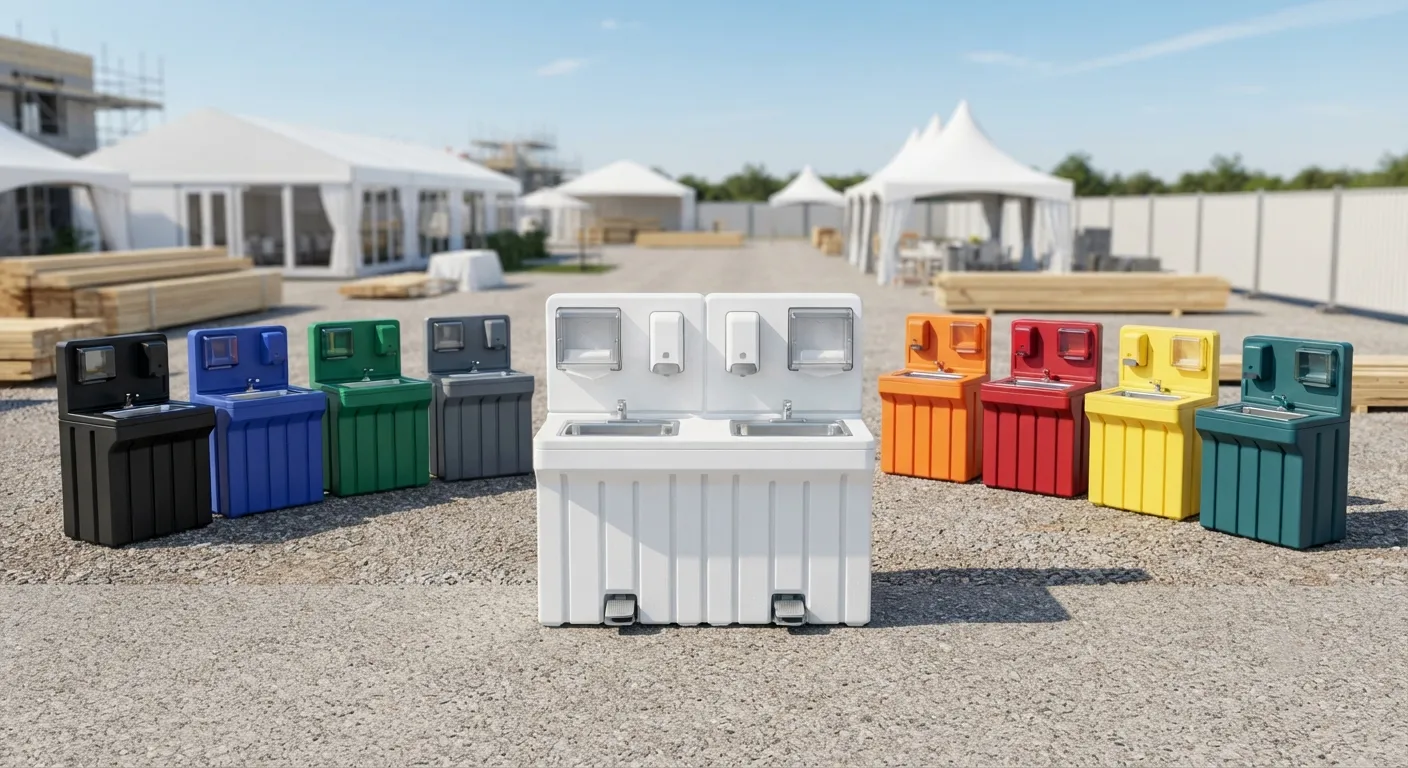
Handwashing stations need level ground too, and cold snaps can freeze a portable sink's line. If you run an Ozark River unit and need a replacement part, check with portable sink rental or handwashing station rental for a swap rather than a repair mid-job.
Do I need an accessible unit if I only have a few workers?
If units are clustered, ADA Standards 213.2 requires at least one accessible unit regardless of the total count, never fewer than one. A single standalone unit on a small job may not trigger the same requirement; confirm with ADA restroom requirements.
Next step
Get a delivery date
Tell us the address, the dates and the headcount. We size the order and confirm the route.